

Do Homeowners Need a Gas Safety Certificate?
Gas safety certificates aren't required by law for homeowners. It can put potential buyers at ease and can even accelerate the sale.
It can also detect any heating or gas issues early which can save homeowners money as well as preventing carbon monoxide leaks which could be fatal. Find out more about the reasons homeowners need certificates of gas safety and how it works.
Legal Requirements
Gas safety certificates are legally required for landlords to have their homes inspected every year. This document confirms that all flues, appliances, and fittings have been checked and are safe for use by a qualified engineer.
The engineer will ensure that all gas appliances are in good operating condition, that the connections to them are secure and that there is enough ventilation. They will also check for blockages in flues, and ensure that all gas pipes have been sized correctly and are free of corrosion. They will also make sure that there is no carbon monoxide leaking out and that the flues are not blocked. The gas safety certificate will be produced with a list of appliances and the date of their inspection.
A homeowner might also wish to obtain an official gas safety certificate which can give them peace of mind about the state and installation of gas appliances within their home. It can also help catch any issues early, which will help prevent accidents and help save money.
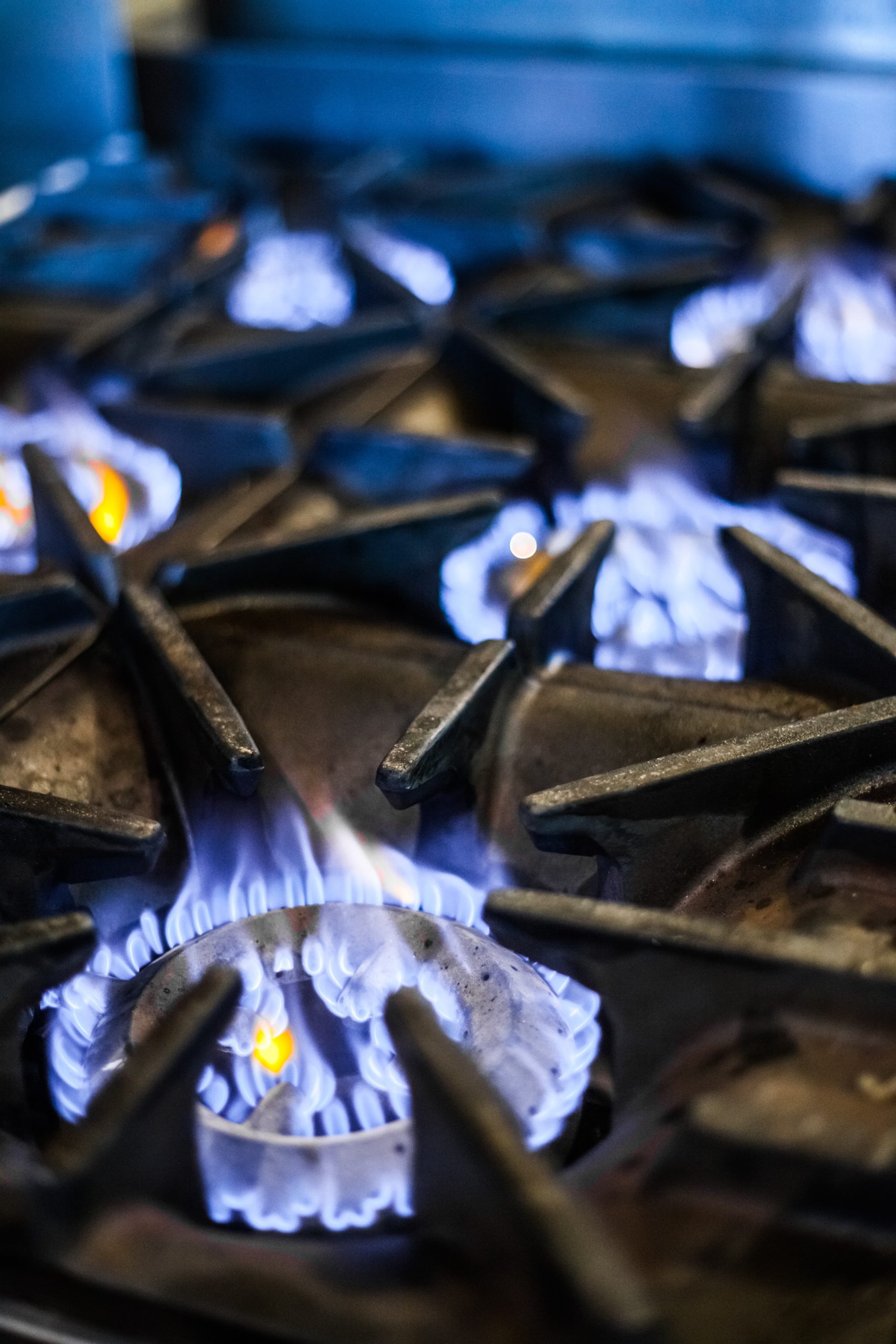
Potential buyers of a property may request gas safety certificates, and this is a great idea if you are thinking about selling your house. gas safe building regulations compliance certificate will let the buyer know that all gas appliances and installations in the house are in good functioning order, which can save them a great deal of money and hassle.
If a landlord fails to get their gas safety certificates in place, they're at risk of being fined and could face legal action from tenants or the council. This is because it indicates that the property is not considered to be suitable for human habitation, and it could lead to people being injured or even killed.
You should also keep a copy for your records so that you can show the certificate to potential tenants or buyers. This will assist you in attempting to sell your house and show that you care about the security of tenants.
Benefits
It is important to have a gas safety certification for both homeowners and landlords. It is a way to ensure that all installations and appliances conform to safety standards and also protects residents from dangers like carbon monoxide poisoning. It also protects landlords from potentially serious legal penalties when they fail to comply with the rules.
Landlords who do not comply with the regulations on gas safety put their tenants at risk and could face fines or even jail time. A valid gas safety certificate can assist you in avoiding this, and make renting a property easier. Prospective tenants are more likely to lease properties from landlords who have an excellent track record.
Before making an offer, those seeking to purchase a property must ensure that the current owner holds a valid certificate of gas safety. This will provide them with peace of mind that the gas appliances and installations are safe to use and also prevent them from having to pay for expensive repairs after they move into.
Some home insurance policies may require an official certificate of gas safety as a prerequisite to be covered. This is particularly true of landlords who might be required to show proof of their compliance with gas safety regulations by their insurer to obtain or renew their insurance policy.
Homeowners should confirm that the contractor they select is Gas Safe registered before having any work done on their gas appliances and installations. Only engineers who are on the Gas Safe register have passed rigorous checks and are able to carry out safety inspections of gas systems. The homeowner should also request that their engineer submit a written report following the inspection. gas safety certificate cp12 will comprise the list of all the inspected gas appliances and installations, their current status (pass or fail) and any recommended action items. It is recommended to obtain a copy of the certificate to keep for your records. Many customers have praised the professional service and quick turnaround times for their chosen gas safety engineers and have been able to provide them with peace of mind and invaluable assurance that their homes are safe to live in.
Costs
If you're a landlord, getting an CP12 gas safety certificate is not just a legal requirement - it's also a crucial investment in your tenants' safety. CP12 certificates are a yearly check of your gas pipes and appliances to make sure they're safe for use. It's an excellent idea for homeowners too, as gas equipment that isn't working properly could result in carbon monoxide poisoning or even explosions.
The cost of the CP12 certificate vary from property to property, but the median cost is around PS80. The engineer's fee is included, as well as an original copy of your certificate to keep for your records. It also covers the work needed to bring your appliances to the standard. It's a good idea to get multiple quotes from engineers to find the most affordable cost. Be wary of any prices that appear too good to be true.
Landlords are accountable for all gas appliances and flues that are in their properties, and the law requires them to conduct an annual inspection by a qualified Gas Safe engineer. This will help to ensure that your property is safe for the people who reside in, and will allow you to avoid expensive fines or even prison if you fail to comply with the legal requirements.
The costs associated with gas safety checks depend on several aspects, including the number of appliances and the kind of property. Residential properties typically have fewer gas appliances, which means that the cost is lower. Commercial properties, on the other hand, may require a more in-depth check, leading to more expensive cost. Some engineers offer discounts if you combine your inspections.
Location is another major aspect in determining the price of an accreditation. Prices vary across the UK and are higher in areas with a greater need for engineers. The cost of emergency checks is higher than regular inspections, especially if your gas certificate is set to expire.
Expiration Date
It is crucial to have your property inspected annually. Not only will you be in compliance with the law but you and your tenants will remain safe. This is especially important for landlords who lease out their properties. The landlord must ensure that all gas appliances work safely and are accompanied by a valid gas safety certification.
Gas safety inspections are conducted by Gas Safe registered engineers who inspect the boiler, flues and any other gas appliances in the property. Appliances that are not working properly will be identified on the gas safety certificate. These are categorized as ID (immediate danger), AR (at risk) or NT (not to current standards). Appliances rated ID need to be replaced immediately, while those rated AR require urgent repairs.
After the engineer has completed after the service, you will receive a copy the Gas Safety Record. It must be given to all current tenants within 28 days of the service and to any new tenants prior to their move into. Failure to comply with this requirement could result in fines or, in serious instances, even prosecution.
Gas safety checks are not mandatory for homeowners, however it is strongly recommended to conduct them. This will safeguard them from any unforeseen issues that may arise with their gas appliances and give them peace of mind that they are safe to use. Be aware that some home insurance policies require the use of a valid Gas Safety Certificate.
In certain situations it could be difficult for a landlord to gain access to his property to conduct a gas safety check. However the tenancy agreement must clearly declare that the landlord has the right to gain access to their property to conduct safety and maintenance checks. Landlords should try to use every reasonable step to gain access, including repeating their requests and writing to the tenant stating that the gas safety inspections are a legal requirement. If nothing else works the tenant may decide to end their contract and get legal advice.